The Impact of Artificial Intelligence (AI)
"Artificial Intelligence is the new electricity, transforming every industry and sector it touches." – Andrew Ng
Artificial Intelligence (AI) has revolutionized the way industries operate, bringing efficiency, innovation, and new possibilities. It has influenced almost every sector, from healthcare to transportation, creating profound changes in jobs and societal structures. While it has accelerated growth and innovation, AI has also raised concerns about job displacement and ethical challenges. In this article, we explore the impact of AI on jobs and other critical sectors.
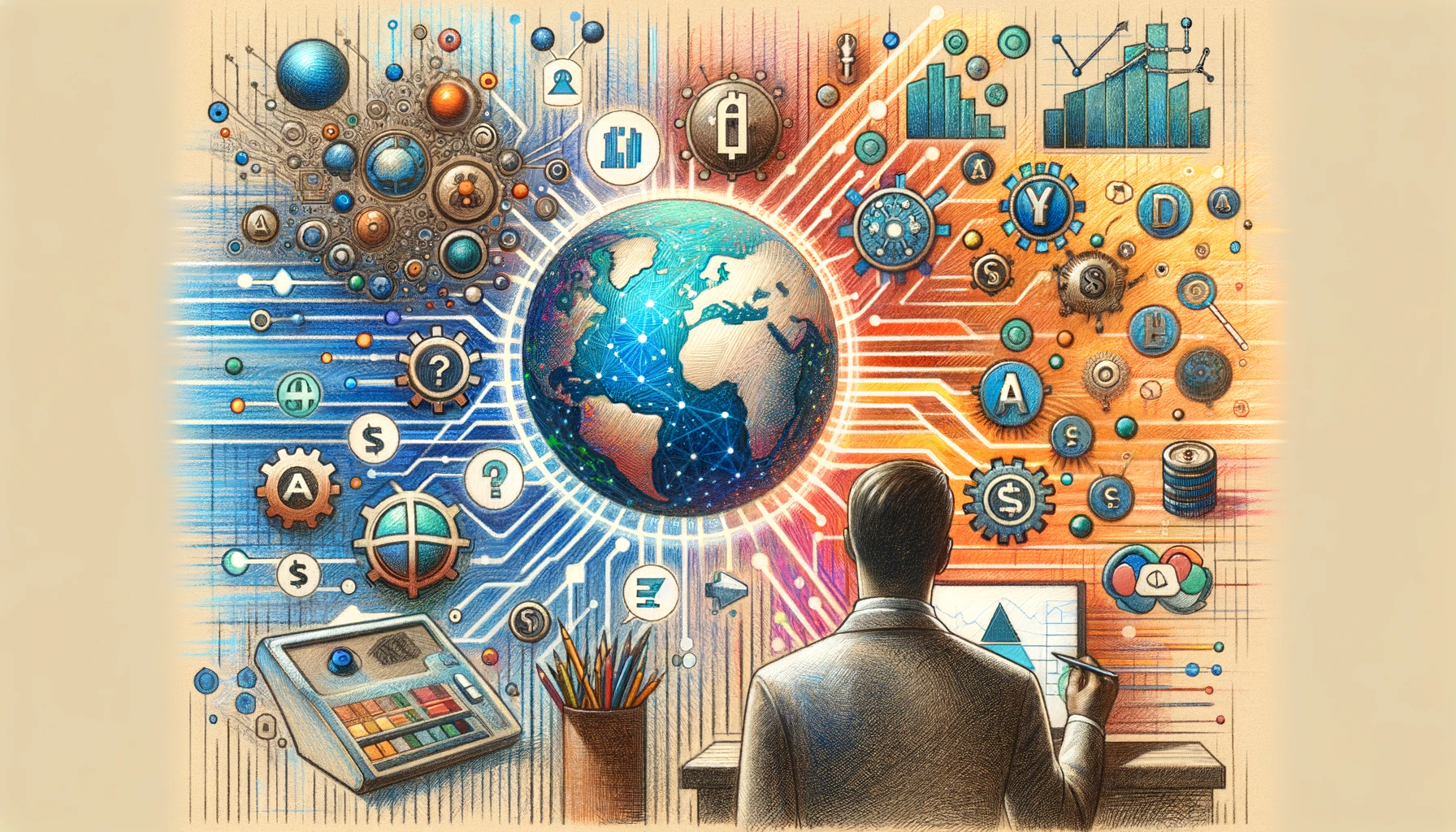
Impact on Jobs
1. Automation of Repetitive Tasks
AI excels at automating repetitive and time-consuming tasks. Machines powered by AI can perform tasks faster, more accurately, and at a lower cost. For example:
- AI-powered chatbots handle customer inquiries 24/7, reducing the need for large customer support teams.
- Manufacturing lines now use AI-driven robots for assembling, packaging, and quality checks.
2. Creation of New Job Roles
While AI automates certain jobs, it also creates new roles, particularly in technology and data-driven fields:
- AI Developers: Professionals skilled in building AI systems and algorithms.
- Data Scientists: Experts who analyze data to extract meaningful insights.
- AI Trainers: Specialists who train machine learning models.
3. Shift in Skills
AI demands a workforce with advanced technical skills, encouraging workers to upskill in areas such as machine learning, programming, and data analysis. Upskilling programs and AI literacy have become essential in adapting to this shift.
Impact on Key Sectors
1. Healthcare
AI has transformed healthcare by enhancing diagnostics, treatment, and research:
- Medical Imaging: AI detects diseases such as cancer with greater accuracy in medical scans.
- Virtual Health Assistants: AI-powered tools assist patients with medication reminders and routine health queries.
- Drug Development: AI accelerates drug discovery processes, saving time and costs.
2. Education
AI enhances learning through:
- Personalized Learning: AI adapts learning materials to individual student needs and pace.
- Automated Grading: Teachers can save time on grading with AI systems, focusing more on teaching.
- Smart Content: AI creates interactive learning materials like simulations and quizzes.
Conclusion
Artificial Intelligence is a double-edged sword. It has the potential to improve lives and drive economic growth, but it also demands careful management of its societal impacts. Governments, businesses, and individuals must work together to create a future where AI is used ethically and inclusively, ensuring opportunities for all.
Learn More About AI